

Vestibular Care Services
These in-home services focus on thorough assessment, one-on-one individualized treatment, and practical support for balance, dizziness, and recovery.
-
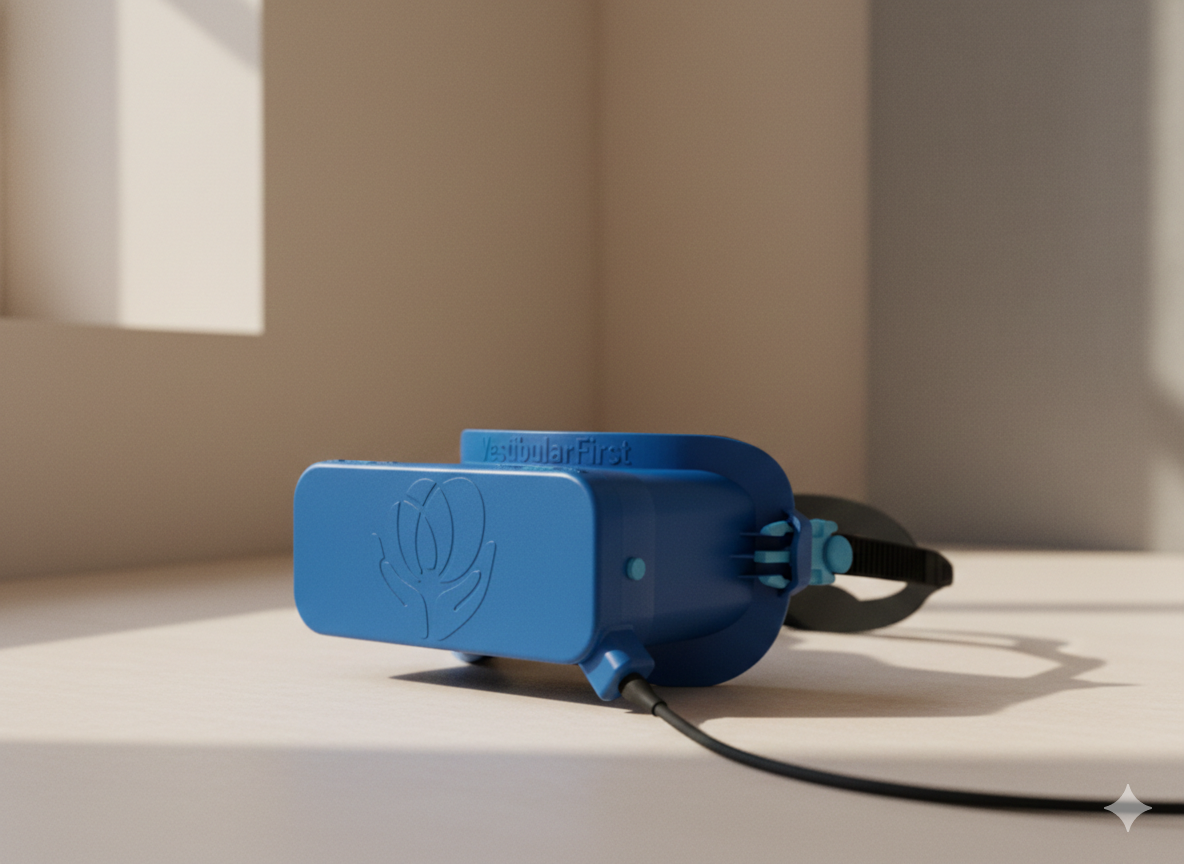
Your 60-minute vestibular assessment is a calm, unrushed session designed to understand what’s causing your dizziness or balance concerns. Using detailed clinical testing—including infrared video goggles—we look at eye movements, balance, and how the inner ear and brain are working together. This helps identify the source of your symptoms so care can be tailored specifically to you. Treatment begins during your first visit.
-
Follow-up sessions are typically 45 minutes in duration, with focus on individualized, evidence-based treatment to reduce dizziness, improve balance, and support functional recovery. Care is adjusted over time based on your response, with exercises and strategies designed to translate safely into daily life.
-
If you’d like your physician kept informed, simply ask. I can provide a clear and timely report that summarizes findings, treatment plans, and progress along the way.
-
A post-discharge check-in offers added reassurance once treatment is complete. This optional follow-up helps ensure progress feels sustainable, questions are addressed, and symptoms remain well managed as you continue independently in daily life.
Conditions treated
Post-concussion balance & vestibular dysfunction
Post-traumatic dizziness
Age-related vestibular decline
Balance impairment related to neurological conditions
Gait instability caused by vestibular dysfunction
Assessment findings guide diagnosis and treatment planning. Care is provided in coordination with physicians when appropriate.
Ready for the first step?
Reach out to book your first visit or ask any questions before getting started.